












Introduzir
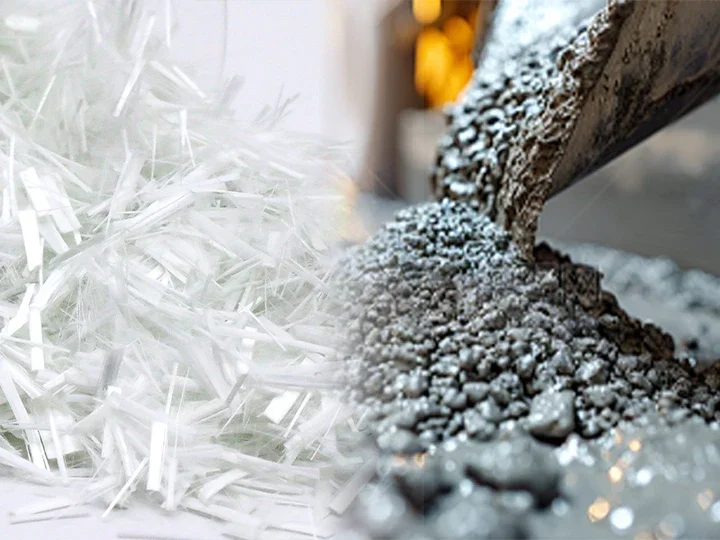
Como profissionais, compradores ou gerentes de projeto profundamente envolvidos na engenharia do concreto, todos nós já enfrentamos frustrações semelhantes: o concreto comum trinca facilmente, tem baixa impermeabilidade e gera altos custos de reparo pós-construção; o concreto armado é propenso à corrosão em ambientes salinos, alcalinos e úmidos, reduzindo a vida útil das edificações; os materiais tradicionais reforçados com fibras apresentam baixa relação custo-benefício ou são complexos de construir e pouco adaptáveis. Há alguns anos, a aplicação de fibras de vidro picadas No setor de concreto, o interesse era morno, chegando a ser considerado por alguns como um "material de nicho". No entanto, nos últimos dois anos, esse material ressurgiu com força, tornando-se não apenas uma escolha popular para obras municipais, construções pré-fabricadas, lajes, suporte de túneis e outros cenários, mas também um material auxiliar essencial para muitos clientes que buscam controlar custos e melhorar a qualidade dos projetos.
As fibras de vidro picadas não são um material novo, mas seu ressurgimento na indústria do concreto não é por acaso. Deixando de lado as estratégias de marketing dos fabricantes, considerando as reais necessidades de nossos clientes, essa "onda de retorno" se deve essencialmente a quatro demandas principais: aprimoramento do desempenho do material, controle de custos, adequação aos padrões da indústria e aumento da eficiência na construção. A seguir, sob a perspectiva da engenharia prática, analisaremos a fundo a lógica por trás de sua popularidade para ajudá-lo a avaliar se este material é adequado para seus projetos.
Solucionando problemas crônicos da indústria: focando nos principais pontos problemáticos da engenharia do concreto.
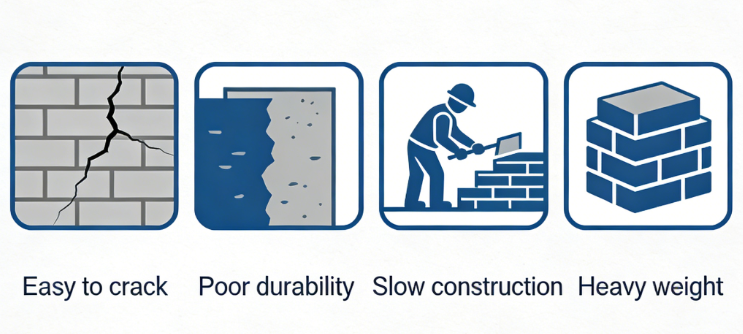
Até hoje, a indústria do concreto enfrenta diversos problemas para os clientes: primeiro, fissuras – o concreto comum tem baixa resistência à tração e é propenso a fissuras plásticas e estruturais afetadas por mudanças de temperatura, ciclos de umidade e secagem e tensões de carga, o que não só afeta a aparência, mas também compromete a estabilidade estrutural; segundo, durabilidade insuficiente – em ambientes altamente corrosivos, como áreas costeiras, salino-alcalinas e subterrâneas, a corrosão e a expansão das barras de aço causam fissuras no concreto, e os custos de manutenção e substituição superam em muito o investimento inicial; terceiro, baixa eficiência construtiva – a amarração tradicional de barras de aço e a colocação de telas metálicas são complexas, demoradas e exigem muita mão de obra, atrasando o prazo da obra; quarto, demanda urgente por materiais leves – edifícios pré-fabricados, componentes com formatos especiais e construções em grandes alturas têm requisitos extremamente elevados em relação ao peso do material, e o concreto pesado tradicional é difícil de ser utilizado.
No passado, tentamos alternativas como fibras de aço e fibras sintéticas, mas as fibras de aço tendem a aglomerar e são caras, enquanto as fibras sintéticas têm baixa resistência a altas temperaturas e melhoria limitada na resistência. O material modificado resistente a álcalis fibras de vidro picadas Atingir com precisão esses pontos problemáticos, tornando-se a solução mais rentável.
Principais vantagens em destaque: Valor concreto na perspectiva do cliente.
Resistência superior a fissuras e impermeabilidade, reduzindo significativamente os custos posteriores de operação e manutenção.
Fibras de vidro picadas resistentes a álcalis As fibras de vidro são dispersas uniformemente no concreto, formando uma estrutura de suporte tridimensional em rede, que dispersa a tensão e inibe a geração e propagação de fissuras, como inúmeras “microbarras de aço”. Dados experimentais mostram que o concreto misturado com uma quantidade adequada de fibras de vidro picadas apresenta uma melhoria de mais de 60% na resistência à fissuração e cerca de 50% na impermeabilidade, bloqueando eficazmente a entrada de umidade, íons cloreto, soluções salinas e alcalinas e outras substâncias nocivas, prolongando a vida útil das estruturas de concreto desde a sua origem. Para nós, clientes, isso significa uma redução significativa na frequência de reparos e reformas futuras, diminuindo diretamente o custo total do ciclo de vida.